STORY BY By Jeanne O’Brien Coffey ✷ PHOTOGRAPHS BY David Engelhardt

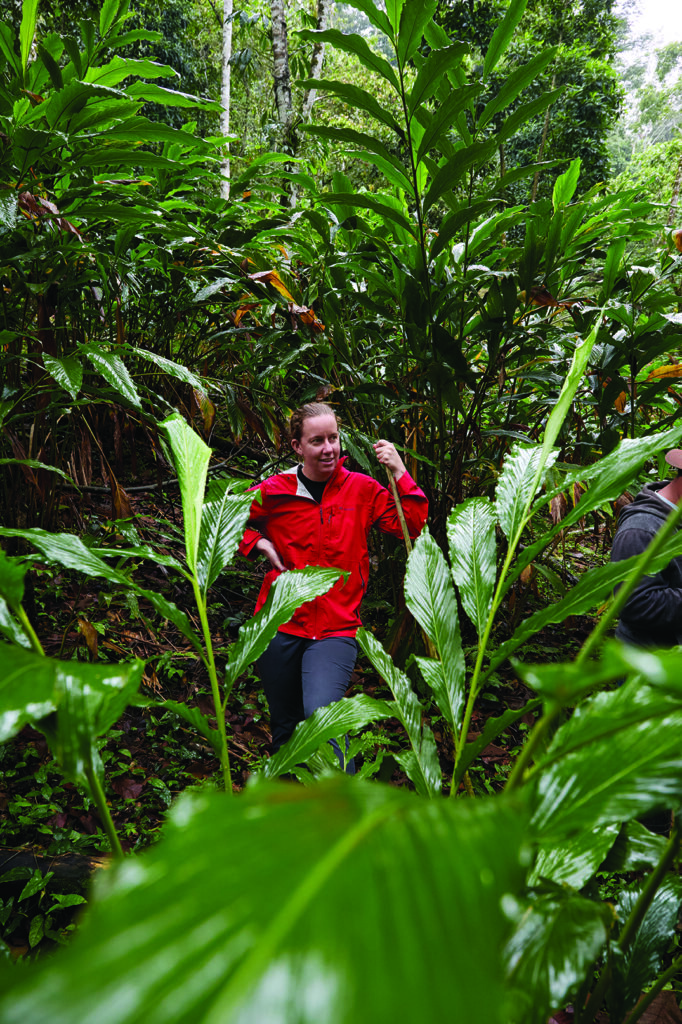
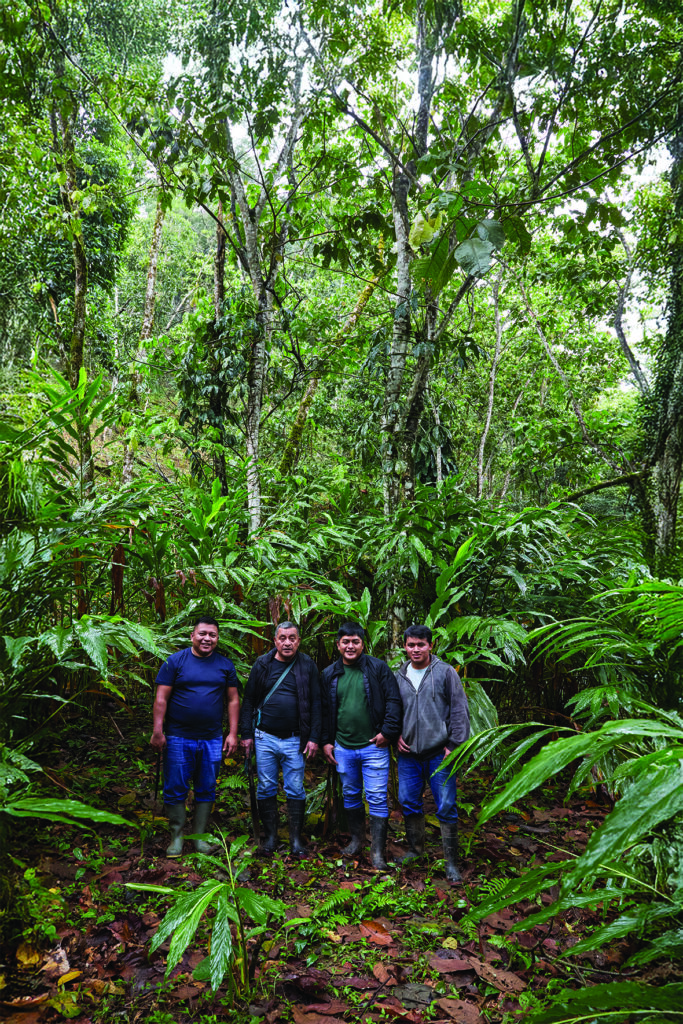
Boots squelch in mud. There are sinkholes that could swallow a grown man up to his waist. And there are snakes. But Gregorio Cajbon doesn’t mind. Bucking the conventional method of growing cardamom in Guatemala—as a monoculture on a deforested hillside blazing in the hot sun—his family instead plants the spice in the cloud forest, under a canopy of native trees.
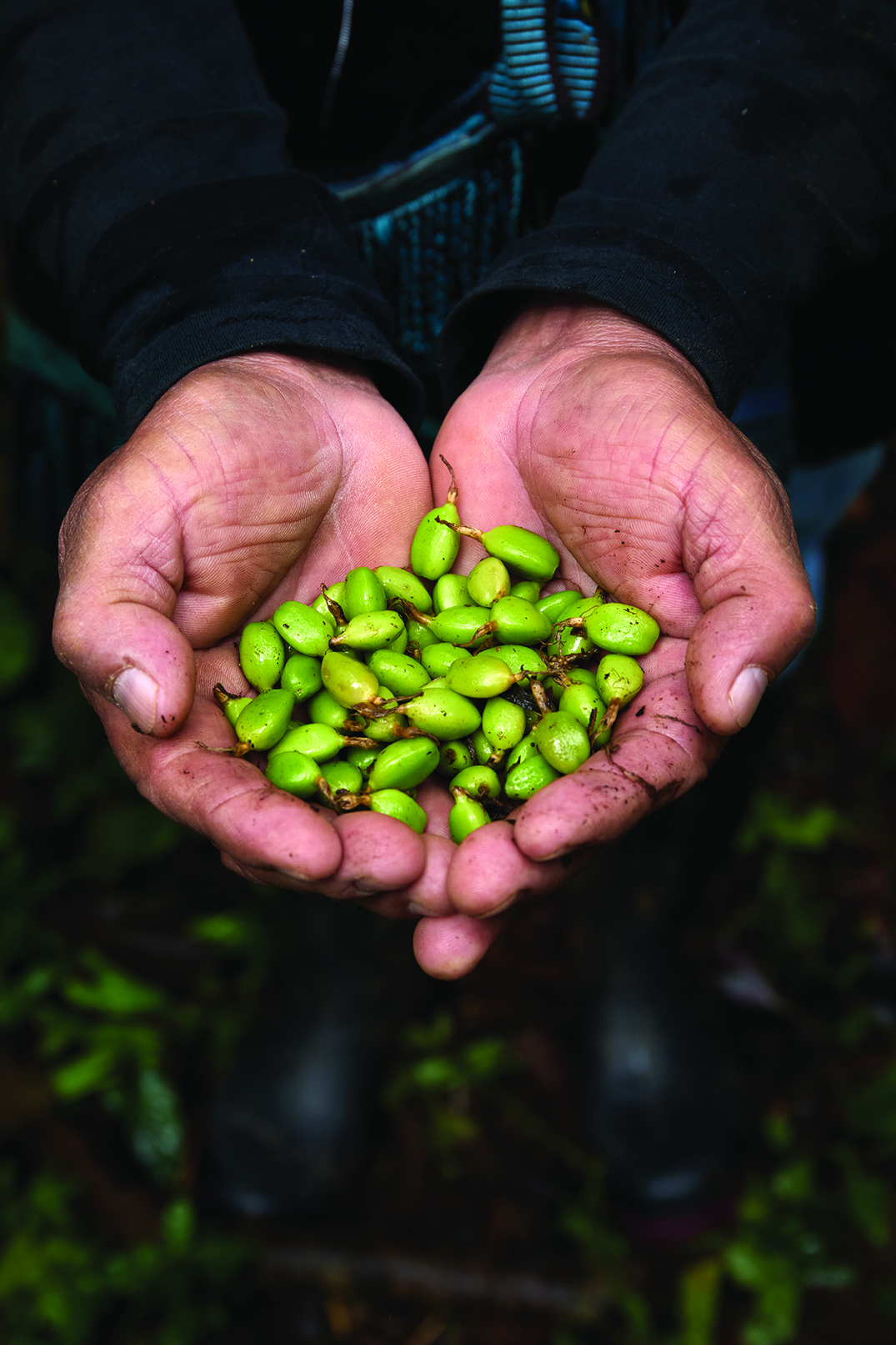
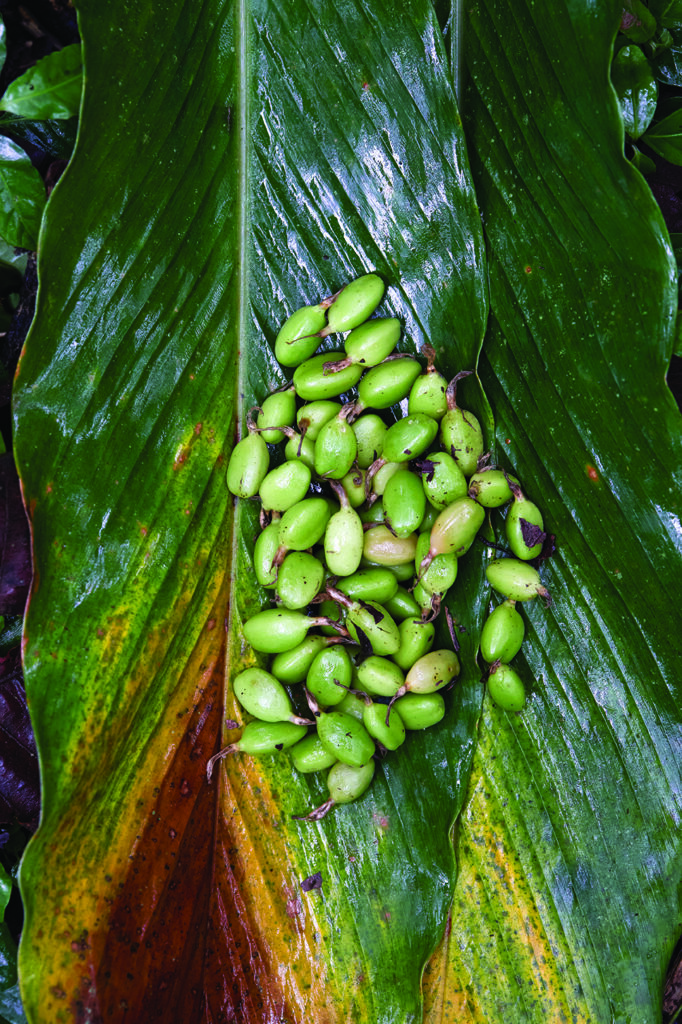
The reason is purely practical—droughts are becoming more common even in the jungles of Guatemala as global warming continues to take its toll. After a severe dry spell in 2017 took the Cajbon family’s entire crop, they decided to try agroforestry—the intentional integration of crops with trees. “We lost so much, we had to change our way of doing things,” Gregorio explained through an interpreter, surrounded by slender cardamom canes topped with long thin fronds thriving in the mud and leaf litter. It’s harvest time, so delicate pink-and-white blossoms and fingernail-sized green pods spread from long stems around the base of many of the plants.
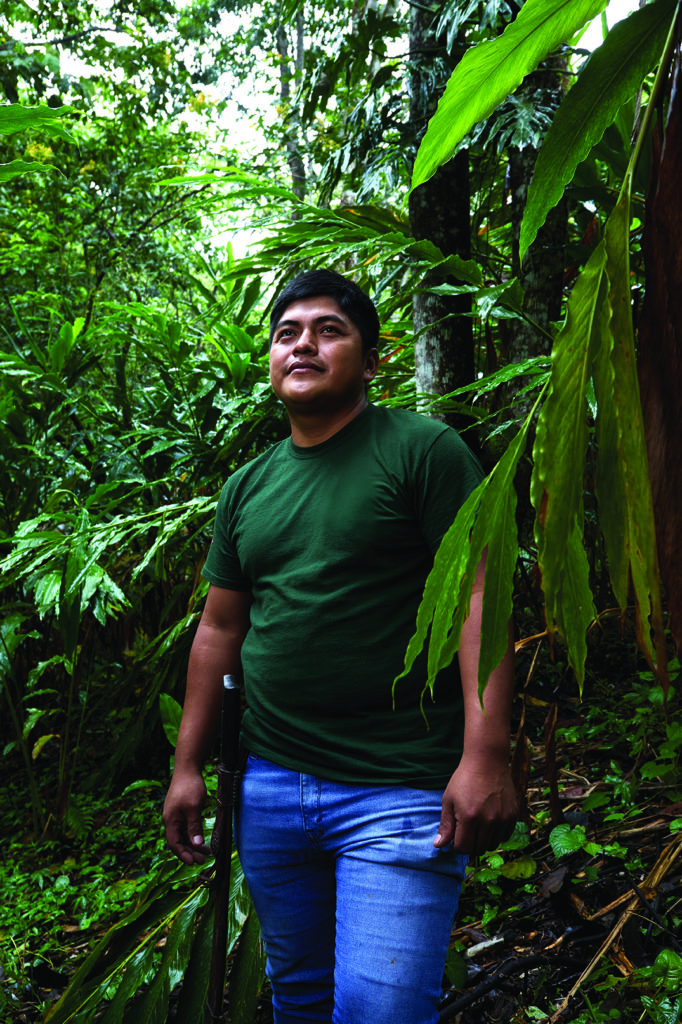
In addition to protecting the plants—during a recent drought Gregorio’s family farm, Finca Semuy, only lost 30 percent of its crops, compared to neighboring conventional growers who lost 80 percent—the fertile volcanic soil in the cloud forest enables them to farm organically with few inputs, commanding a higher price for their products.
Dotted between the cardamom and the old-growth native forest, seedlings of allspice, magnolia, and sweet gum trees are taking root. The tiny plants are intended to help Finca Semuy diversify income while supporting reforestation in the area—part of a $120,000 investment by the Yogi Foundation, the nonprofit established by the Eugene, Oregon-based tea brand. “Agroforestry is about working in harmony with the land, allowing cardamom to live in an ecosystem that has biodiversity,” says Briana Buckles, global senior sustainability manager for Yogi. “In a conventional growing system, the concept is really about how to control or dominate the land.”
Agroforestry is as ancient as farming itself. But cardamom is a newcomer in the town of Nimlajacoc, where Gregorio’s Mayan Q’eqchi’ ancestors have lived for millennia. It was brought to Guatemala just 100 years ago, and quickly became an important cash crop. Cardamom is the third most expensive spice on the planet, after saffron and vanilla, and Guatemala grows more than half of the world’s supply. But little of that value actually winds up in the hands of the farmers.
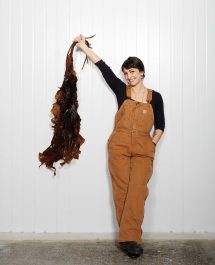
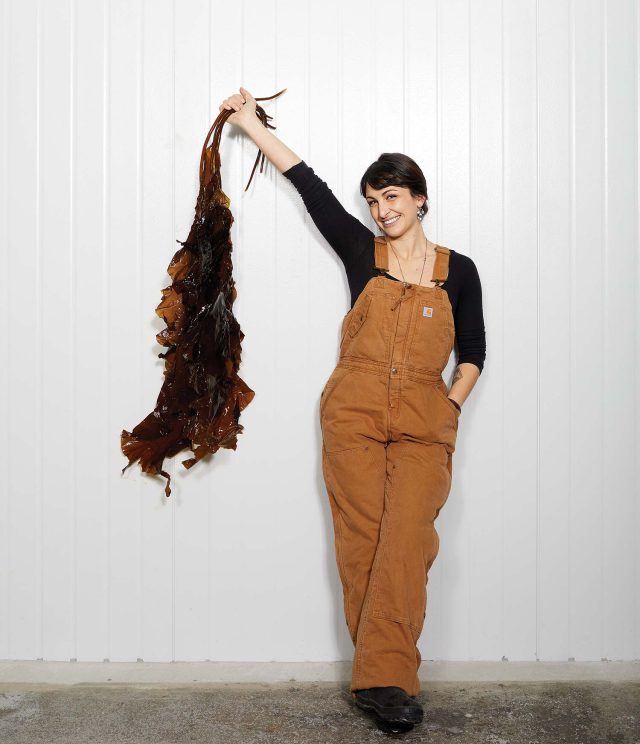
That is a problem that Briana set out to address. Hired full-time in 2019 as Yogi’s first sustainability manager, she is tasked with identifying opportunities to improve their international supply chain and practices at their headquarters. So, she is sometimes meeting farmers while ankle-deep in Guatemalan mud or in the ginger fields of India and Nepal and other times encouraging her peers in Eugene to bike to work. Just a few months after she started at the certified B Corporation, Briana found herself isolated at home during the pandemic, with plenty of time to map out the company’s incredibly complex supply chains on a whiteboard, looking for areas where the company could have a positive impact amidst more than 140 ingredients from more than 50 countries.
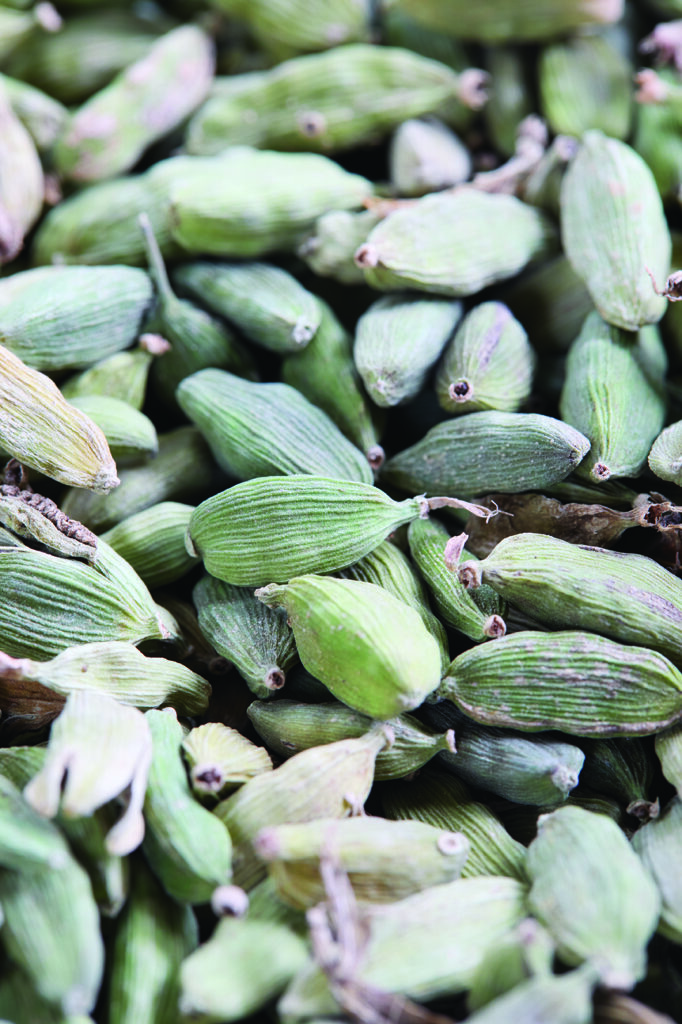
Briana quickly settled on cardamom—it has been a key ingredient for the company since its first blend more than 50 years ago and remains one of the top five Yogi spices. As with most of Yogi’s products today, that first tea was guided by Ayurvedic medicinal principles, which traditionally employ the spice as a digestive aid, as well as for calming properties and overall wellness. These days, the aromatic, earthy pod is a component in some 60 of the company’s 112 offerings internationally.
That dominance held a great opportunity for sustainable impact, because the production of cardamom can be a humanitarian and ecological disaster, subject to some of the same human-rights issues of crops like coffee and chocolate, such as forced labor and wages below subsistence. And environmentally, vast swaths of the cloud forest have been clear-cut, both to plant the crops and to fire ovens to dry the delicate pods. As that monoculture sucks all the nutrients out of the rich volcanic soil, more inputs are required to get the same yield.
The fragile pods are quick to mold once picked and must be dried within 48 hours of harvest. While some farmers have ovens onsite, others rely on trucking their crops for hours over muddy potholed tracks—or strapping bags of pods to their backs and hiking someplace where the seeds can be dried. This puts producers in a precarious position, often taken advantage of by “coyotes”—the local term for people who drive around gathering the harvest from small farms for a low price, as desperate farmers would rather sell their crops for whatever they can get if the alternative is letting it rot.
“There are many, many actors, with no transparency,” says Elisa Aragon, co-founder and CEO of Nelixia, a company focused on sustainably sourced spices, essential oils, and extracts from Latin America. The Guatemalan native spent time overseas, working in the luxury perfume industry in France, then brought that knowledge back to her home country to improve the income and living conditions of growers. “Keeping more profits as local as possible is the baseline for me,” Elisa says, noting that there are many ways of doing that, from helping farmers get paid a living wage to investing in infrastructure.
A tireless advocate for producers in Central and South America, Elisa found an ideal partner in Yogi, where Briana was also exploring supply-chain transparency. At the time she joined Yogi, the company was sourcing cardamom through international wholesalers with limited visibility regarding where, and under what conditions, the spice was being grown. “What we realized quickly was that you can’t meaningfully talk about impact unless you understand people’s lived experience,” she says. “So, the work began with listening—asking where our ingredients came from, who was growing them, and what support truly meant from their perspective.”
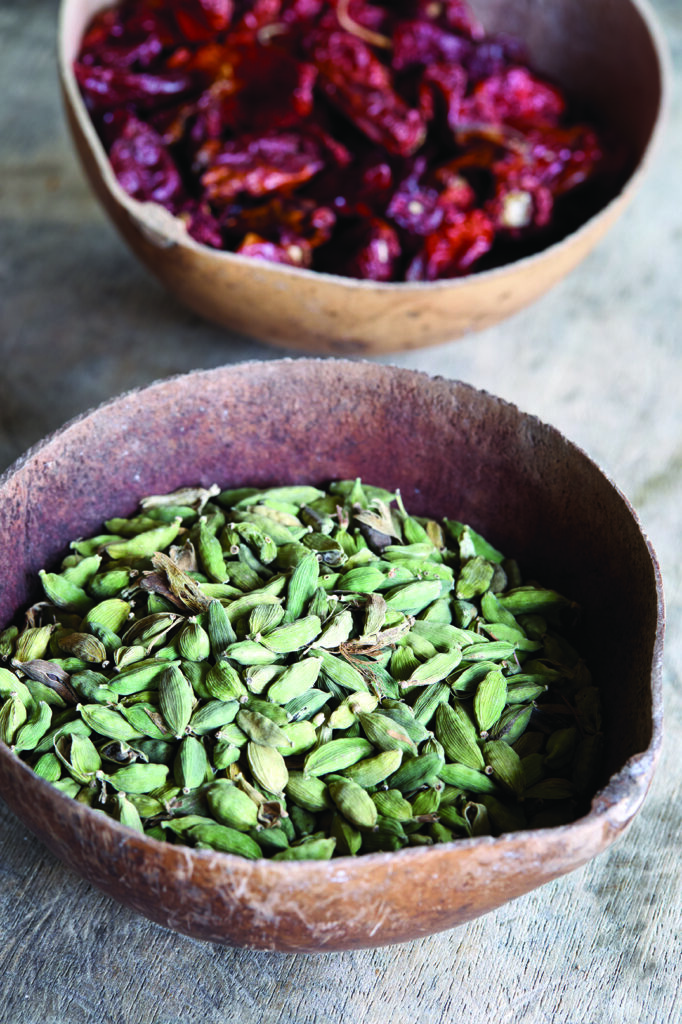
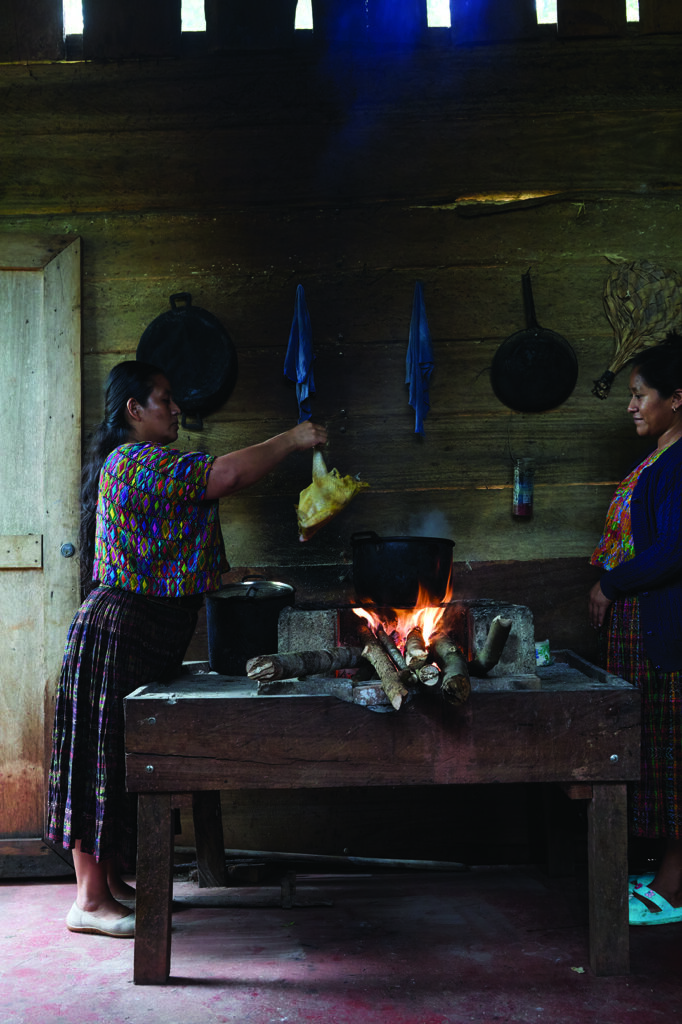
This was exactly the work that Elisa was doing in the Alta Verapaz region, at the center of Guatemalan cardamom production. Because the spice is also an important ingredient in perfume—one of Nelixia’s earliest specialties—Elisa had been working with other clients to study farmers’ needs since her company was founded in 2010. “Poverty is multidimensional,” she explains, noting that it goes far beyond actual dollars and cents to include access to education and utilities. In Nimlajacoc, there is no electricity or running water, and residents travel hours over dirt roads pitted with potholes to reach basic services. So, when Yogi came knocking, Elisa was ready with a portfolio of projects that would make a difference, including decent sanitation facilities, resources around reforestation, and conversion of the area’s wood-fired cardamom ovens to gas.
Since planning began in 2023, the projects have been moving fast. Along with thousands of seedlings, Yogi has helped provide the workers at Finca Semuy with a rainwater collection system that feeds a newly built washhouse with toilets, showers, and a sink, as well as a toilet and a sink for the communal kitchen. Wastewater is fed through a biodigester to avoid any environmental contamination. In addition, Yogi used $25,000 from its sustainability budget to convert cardamom dryers to gas, powering the entire harvest used in Yogi teas and then some. That conversion had an unforeseen benefit—in addition to reducing deforestation and pollution from the woodfired ovens, the final product is better quality—greener and more fragrant than conventionally dried samples—meaning that the farmers can get a higher price for their precious pods.
Yogi’s contribution is part of a larger initiative spearheaded by Nelixia that brings together perfumers and aromatherapy clients as well—three different industries, all working toward the same objective. “It creates real impact,” Elisa says. She hopes that, as word gets out about these partnerships, more companies will join in. “I think people really want to see a different way of doing business, connecting the land, paying fair prices, and creating more wealth at the source.”
It’s definitely a mission that Yogi is spearheading, with an ongoing journey to track down more partners like Nelixia across the globe. “For a company like ours, there’s the easy way we could [source ingredients], and then there’s the complicated way,” Briana says. “We invest all this time in turning over stones and finding the right suppliers to work with, but it means that when we’re writing a check, more of it is going to the farmer.”